Nestled in the mountains and countryside of eastern Shimane Prefecture, Yasugi, Unnan, and Okuizumo invite travelers into a world where tradition and craftsmanship thrive. This region preserves centuries old cultural practices from world-class gardens and performing arts to living ironmaking traditions and historic residences while welcoming visitors with genuine warmth. Whether exploring award-winning museums, wandering historic streets, or trying hands-on craft workshops, every experience offers a connection to Japan’s past. Yasugi, Unnan, and Okuizumo promise a journey rich in heritage, beauty, and memorable encounters.
YASUGI CITY – Culture, Art, and Spiritual Tradition
1. Yasugi-bushi Engeikan – A Cultural Performance Hall That Pulls You Onstage
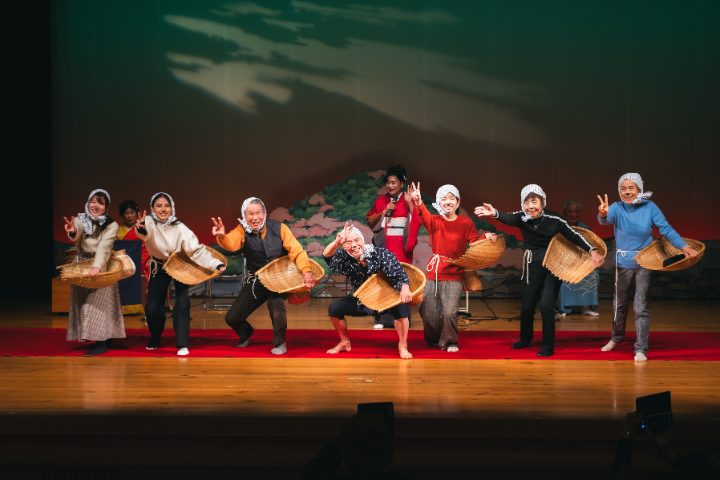
Step into Shimane’s living culture as the Yasugi-bushi stage invites you to join the dance
Yasugi-bushi Engeikan preserves a traditional performing art that has entertained local communities in Yasugi for generations. From the moment you enter, the friendly performers and staff make you feel welcome, setting a warm and inviting tone for the entire experience.
The performance blends humor, storytelling, and lively movements, keeping the show engaging and easy to follow. By the finale, visitors are invited to join the performers on stage, dancing alongside them and experiencing the culture firsthand, a fun and immersive way to connect with local traditions.
Even small touches add to the charm. The theater’s vending machine sings when you insert a coin and offers drinks and cute souvenirs, like keyrings, making the visit playful, memorable, and distinctly local.
2. Adachi Museum of Art – Japan’s Most Beautiful Garden
The Adachi Museum of Art is renowned for its breathtaking landscape garden, which has been consistently ranked the No. 1 Japanese garden in the world for many years. Visitors come to admire its seasonal transformations, from vibrant spring blossoms to tranquil winter scenes. The museum celebrates its 55th anniversary since opening in 1970 and holds one of Japan’s most significant collections of Yokoyama Taikan’s works, with 85% of his paintings curated here. Two main buildings showcase modern and traditional art, allowing a seamless flow from Hall 1 to Hall 2 while continually revealing new perspectives of the garden. Walking through the museum and its gardens is not just a visual experience, it’s a serene journey that connects art, nature, and history.
3. Kanayago Shrine –The Head Shrine That Enshrines the God of Ironmaking
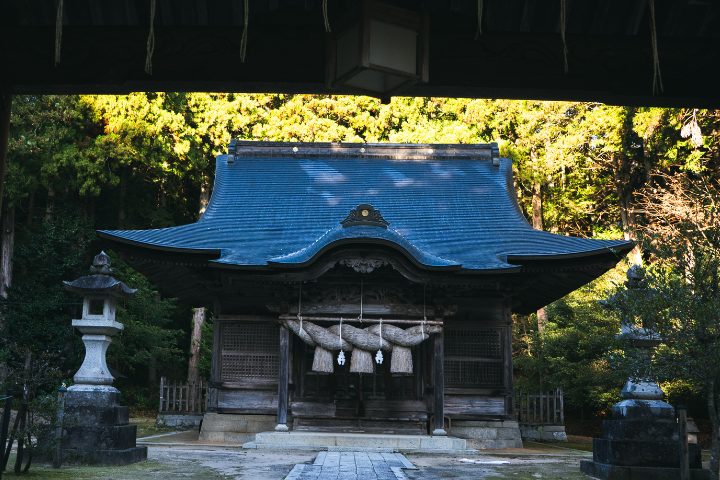
A quiet sanctuary where ironmaking tradition meets spiritual heritage
According to legend, the techniques of tatara ironmaking were introduced through divine guidance. Folklore tells of Kanayago-shin descending to the human world to teach the methods of iron production. Different versions of the story describe her arrival in symbolic forms, most commonly as a white heron, and in some regional traditions, a fox. Although shrines dedicated to Kanayago-kami exist throughout Japan, the shrine in Shimane, surrounded by old forests, is regarded as the primary site associated with the origin of this belief. The serene, sacred atmosphere of the shrine connects visitors to the roots of Japan’s iron culture.
UNNAN CITY – Living Tatara Heritage and Historic Streets
1. Sugaya Tatara Sannai Village – A Glimpse Into Japan’s Iron-Making Past
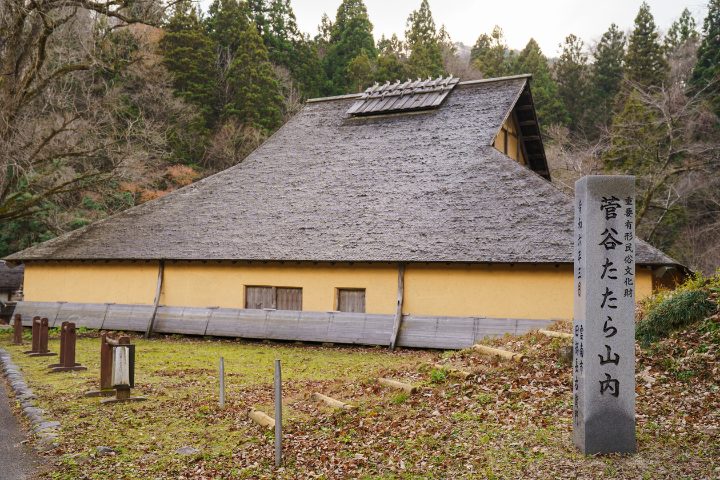
A living relic that brings Japan’s ironmaking past to life
Sugaya Tatara Sannai Village is the only one in Japan where visitors can see an authentic tatara ironmaking site preserved in its original form. This centuries-old method produces tamahagane, the steel used to forge Japan’s swords. Long ago, locals extracted iron sand (砂鉄 / satetsu) from the mountains, transforming the landscape into a center of craftsmanship and innovation.
At the heart of the site stands Sugaya Ironworks, the timber structure housing the furnace and bellows, measuring roughly 18 meters in height and width. Visitors can explore the clay furnace and workers’ quarters to discover the craft and effort behind traditional ironmaking. Every tatara site is surrounded by katsura trees, celebrated in local folklore, which add seasonal beauty and connect the craft to nature and legend.
2. Tanabe Storehouses & Yoshida Townscape – Walk Through History
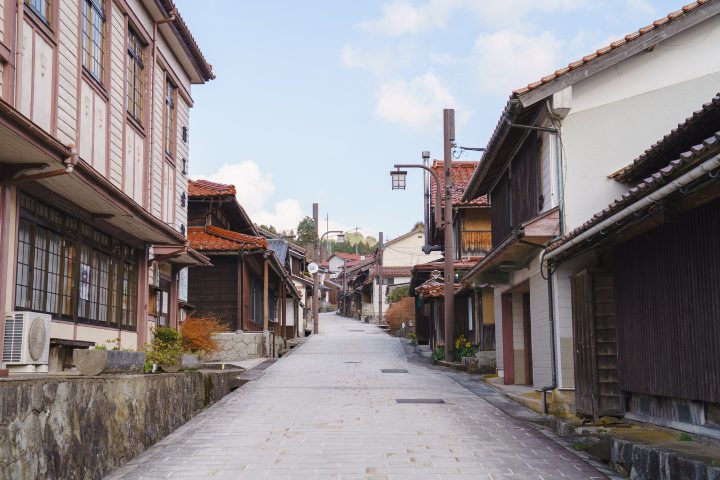
Strolling through a beautifully preserved historic townscape
Yoshida Townscape in Unnan offers a glimpse into a time when ironmaking shaped the rhythm of daily life. The Tanabe family, prominent figures in the region’s tatara iron industry, once managed the local furnaces, forests for charcoal, and trade networks that supported the craft. Their wealth and influence are still visible today in the row of traditional storehouses that line the street. With thick earthen walls and white plastered facades, these buildings once stored goods, tools, and materials essential to the iron trade.
Walking along Yoshida Townscape, it’s easy to imagine the town as a bustling hub of activity where merchants, artisans, and families lived and worked side by side, creating a community where industry and daily life were deeply intertwined. The preserved architecture, combined with the quiet charm of the surrounding streets, offers visitors an authentic sense of Unnan’s cultural and industrial heritage.
OKUIZUMO – Craftsmanship, Samurai Legacy, and Mountain Serenity
1. Okuizumo Craft Workshop – Hands-On Iron Blade & Paper Knife Making
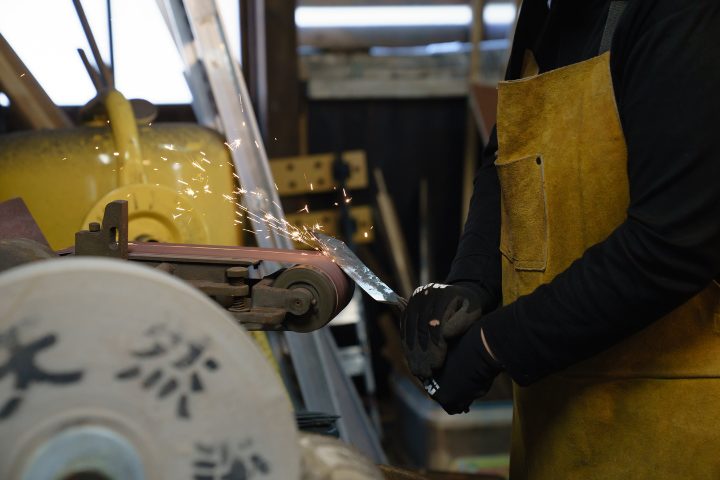
Hands-on craftsmanship in the heart of Okuizumo
The Okuizumo Craft Workshop offers hands-on experience in traditional Japanese blade making. Visitors can craft a full iron blade in a four- to five-hour session, or try making a paper knife, a shorter one- to two-hour project ideal for beginners.
Artisans guide guests through every step, explaining the tools, materials, and techniques. The process begins with heating the iron in a charcoal-fired forge and applying Yakiba-tsuchi, a traditional clay mixture. The clay controls cooling during quenching in water, producing a strong, flexible blade with a sharp edge and a characteristic tempered pattern. Guests witness hammering, annealing, tempering, sharpening, and polishing, leaving with a functional handcrafted blade or paper knife. Finished products can be taken home the same day or delivered later.
Just 20 minutes away in Uzumaki, the English-speaking owners offer a beautifully restored 100-year-old Japanese house. Surrounded by peaceful countryside and panoramic mountain views, the home accommodates up to four guests. The hosts grow their own rice and vegetables on the property and prepare creative course meals that showcase the unique local climate, using natural ingredients such as vegetables from Okuizumo Town, home-grown pesticide-free mountain vegetables, and gibier (game meat). With 20 years of culinary experience in Tokyo, Yokohama, and Okinawa, the chef, who has now relocated to Okuizumo, blends Italian techniques with Japanese fermentation and preservation methods to create simple yet profound flavors. Ingredients are personally sourced from fields, rice paddies, and mountains. Menus are created daily, inspired by the seasons and the chef’s own ideas. Each course highlights the region’s fresh, seasonal produce.
A two-night stay is highly recommended to fully enjoy the workshop, experience the slow pace of rural life, and explore Okuizumo’s rich cultural heritage. Guests can bring their own car or rent one to visit nearby attractions, making the experience both relaxing and adventurous.
2. Sakurai Family Residence & Garden – Legacy of Mountain Owners
The Sakurai family are the influential figures in Okuizumo’s traditional ironmaking world, known for managing tatara production and contributing to the region’s prosperity. Today, their historic estate serves as a museum where visitors can explore the family’s former residence and view a curated collection of artifacts, documents, and tools that reflect daily life and craftsmanship from generations past.
The adjacent garden is designed as a place of calm and beauty, features ponds, stone paths, and seasonal plantings that change throughout the year. In autumn, fiery foliage reflects on the water’s surface, offering particularly picturesque views. Together, the residence and garden provide a vivid sense of the culture, status, and lifestyle of a leading ironmaking family.
3. Itohara Memorial Museum & Residence – Samurai History Preserved
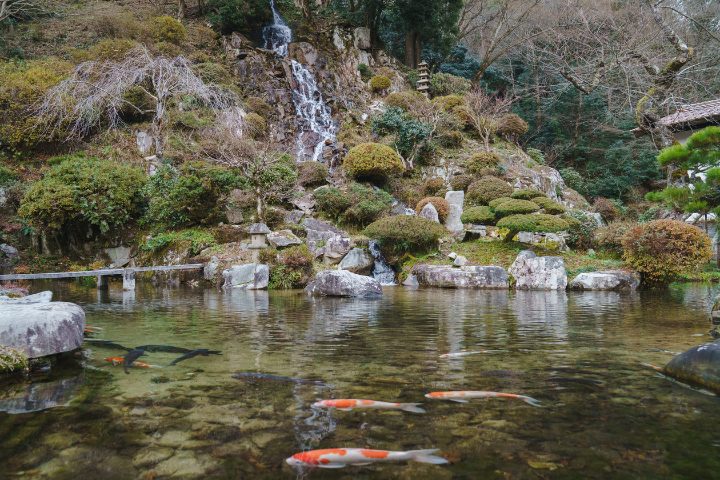
A serene garden of samurai legacy
The Itohara family plays a key role in both regional leadership and the tatara ironmaking tradition. Their former estate has been preserved as the Itohara Memorial Museum, where visitors can see historical objects, traditional tools, and family heirlooms that illustrate how daily life, culture, and craft intertwined in a samurai household.
The residence itself features classic wooden architecture and tatami‑floored rooms that reflect traditional living spaces. Outside, a quietly beautiful garden and nearby forest paths offer a peaceful setting that complements the museum experience. This combination of exhibits, living spaces, and landscape helps visitors connect with the samurai legacy and the ironmaking heritage that shaped Okuizumo.
Conclusion – Experience the Soul of Shimane
Yasugi, Unnan, and Okuizumo offer more than sightseeing; they invite you to experience Japan’s heritage firsthand. From world-class gardens and traditional performances to ironmaking workshops and historic streets, each city reveals layers of culture, craftsmanship, and community. Whether you’re drawn to art, history, or the serenity of nature, Shimane’s hidden heartland promises memorable experiences that linger long after your visit.
Related Articles:
- Visiting Temples And Shrines In Japan; 13 Things To Know!
- 8 Important Cultural and Heritage Facts About Japan
- The History of Bowing and Other Japanese Customs
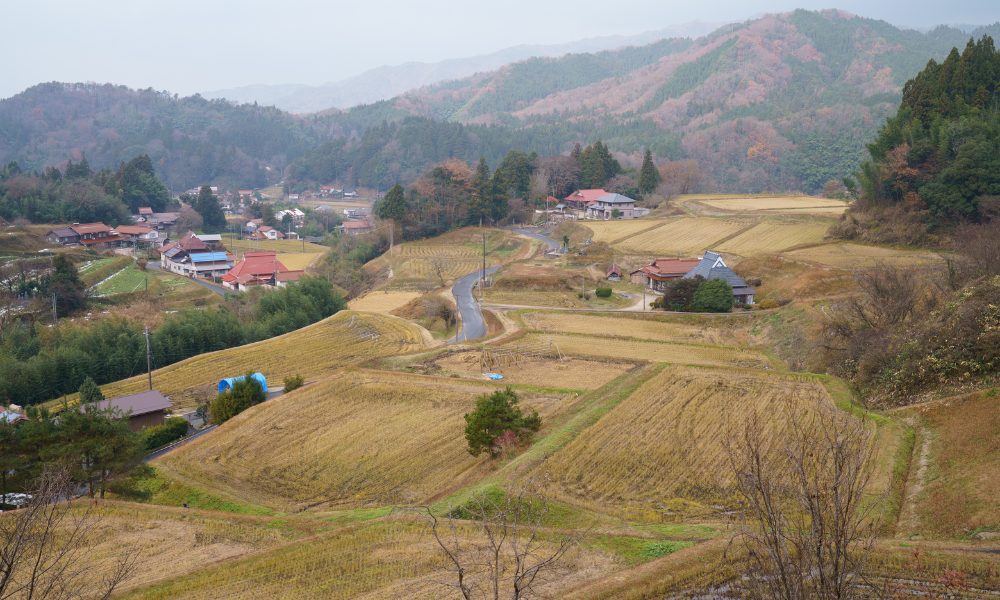
Featured image: rice terraces made using the iron hole technique in Okuizumo, Shimane Prefecture.