For many people, January represents a fresh start. In Japan, however, the true beginning of the year feels like April. As winter ends and cherry blossoms bloom, the country enters a season of transition. Schools open their doors to new students, companies welcome new employees, and thousands of people relocate for work or study.
For foreign residents living in Japan, spring can be exciting, but also overwhelming. Understanding how this season works will help you avoid unnecessary stress and make better decisions about housing, employment, and daily life.
This guide explains what actually happens in Japan during spring, based on social systems and practical realities rather than just seasonal beauty.
What to Expect During Spring in Japan
Japan’s academic and fiscal year begins in April. Unlike many countries where the school year starts in September, Japanese elementary schools, junior high schools, high schools, and universities all begin in early April. Companies also align their business calendars with this system, with many corporate fiscal years running from April to March.
Because of this structure:
- New graduates start their first full-time jobs in April.
- Companies hold formal entrance ceremonies for new employees.
- Departments reorganize and staff transfers take effect.
- Budgets and new projects begin.
For foreign employees, this may mean changes in supervisors, team members, or responsibilities. Even if your contract does not change, the work environment around you might. Being mentally prepared for this seasonal shift can make transitions smoother.
March: The Busiest Moving Season of the Year

Image credit: Canva
Since schools and companies start in April, most people move in March. This includes university students, new graduates, and employees transferred to different branches. As a result, the housing market becomes extremely competitive during this period.
Major cities such as Tokyo, Osaka, and Yokohama experience a surge in rental demand. Apartments can be listed and rented within days, sometimes even hours.
If you plan to move in spring, here are some important points to consider:
- Start searching early – January and February are ideal times to begin browsing properties.
- Prepare documents in advance – Residence card, proof of income, emergency contact details, and visa status documents are often required.
- Expect higher initial costs – Key money, deposit, agency fees, and guarantor fees can add up quickly.
- Schedule moving companies early – Movers are often fully booked in late March.
Many foreign residents underestimate how intense this season can be. Planning ahead can save both money and stress.
Spring Hiring Trends in Japan

Image credit: Canva
Spring is also closely linked to employment. Japan has a long-established system of hiring new graduates in April. Recruitment activities for these positions often begin nearly a year in advance. However, spring also creates movement in mid-career hiring.
Because companies restructure in April, some positions open due to internal transfers or new project launches. For foreign residents looking to change jobs, late winter and early spring can be a strategic time to apply.
Here are a few practical tips:
- Update your resume (both English and Japanese versions if possible).
- Review common Japanese interview formats and etiquette.
- Check your visa category and expiration date before applying.
- Research companies’ fiscal schedules and recruitment cycles.
While competition can be strong, being proactive increases your chances of success.
Cherry Blossom Season: Beautiful but Crowded

Image credit: Canva
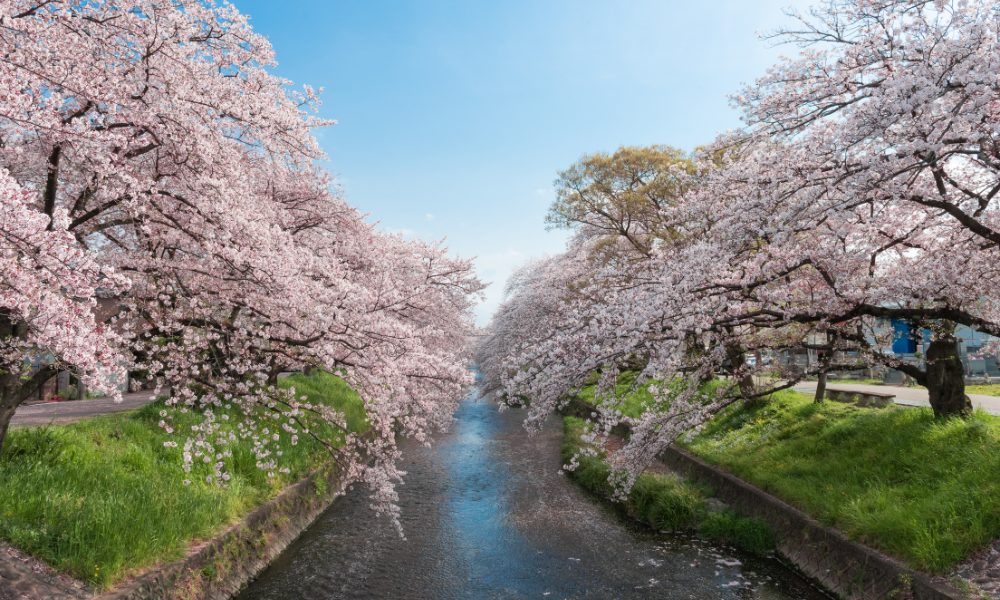
Spring in Japan is often associated with cherry blossoms. The blooming period varies by region but typically occurs from late March to early April in the Kanto and Kansai areas.
Famous viewing spots such as Ueno Park, Meguro River, and Osaka Castle Park attract large crowds during peak bloom.
While hanami (flower viewing) is a cultural highlight, it also comes with practical considerations:
- Public spaces can become extremely crowded.
- Nearby restaurants may require reservations.
- Some parks have strict rules regarding alcohol or space reservation.
- Transportation around popular areas may be delayed.
If you plan to enjoy the cherry blossom season, consider visiting early in the morning or on weekdays to avoid peak crowds.
Pollen Season: A Hidden Challenge
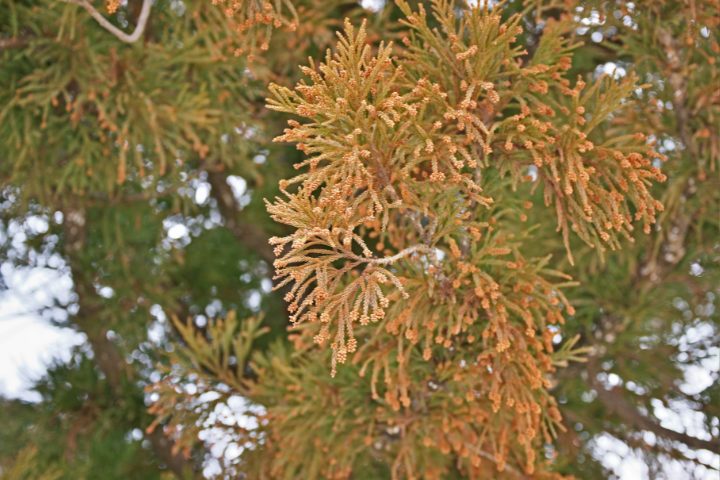
Image credit: Canva
Another reality of spring in Japan is pollen allergy, commonly known as “kafunsho.” Cedar and cypress trees release large amounts of pollen during this time. Even people who have never experienced allergies before may develop symptoms after living in Japan for several years.
Common symptoms include:
- Sneezing
- Runny nose
- Itchy or watery eyes
- Fatigue
Pharmacies sell both over-the-counter and prescription allergy medications. Many residents also wear masks outdoors during peak pollen days. Checking daily pollen forecasts can help you prepare, especially if you commute long distances.
Ignoring symptoms can affect work performance and daily comfort, so it is important to take this issue seriously.
Financial Planning for Spring Expenses
Spring often brings increased spending. Moving costs, furniture purchases, and new work-related expenses can significantly impact your budget.
In addition to housing costs, you may encounter:
- Utility setup fees
- Internet installation fees
- New commuter passes
- Social event expenses, such as welcome parties
At the same time, many stores release seasonal products and limited-edition items themed around cherry blossoms. While these can be enjoyable, impulse spending is common during this season. Creating a simple budget for March and April can help you maintain financial stability during this transition period.
Social and Workplace Culture in Spring

Image credit: Canva
Spring is not only about logistics; it is also culturally significant. The season symbolizes renewal and fresh beginnings. Companies often hold welcome parties for new staff members, and social invitations may increase.
For foreign residents, this can be an opportunity to build networks and strengthen relationships. Even casual participation in seasonal events can help improve workplace communication and integration.
At the same time, it is normal to feel overwhelmed. Changes in environment, housing, and work responsibilities happening simultaneously can create pressure. Recognizing that spring is a transition period for everyone, not just foreigners, can provide reassurance.
Preparing Strategically for the Season

Image credit: Canva
To summarize, here are practical steps foreign residents can take to prepare for spring in Japan:
- Begin apartment searches early if you plan to move.
- Update employment documents before job-hunting season.
- Monitor pollen forecasts and manage allergies proactively.
- Budget carefully for moving and seasonal expenses.
- Stay flexible as workplace changes occur.
Spring in Japan represents opportunity, but it also demands preparation. Understanding how the academic calendar, corporate system, and housing market align during this season allows you to act strategically rather than react under pressure.
Preparing for Spring Life in Japan
Cherry blossoms may symbolize the beauty of spring in Japan, but beneath the petals lies a highly structured, fast-moving period of change. For foreign residents, understanding how spring works in Japan makes all the difference.
Whether you are considering a move, exploring new job opportunities, or simply adjusting to workplace transitions, early planning can make a significant difference. By approaching spring with awareness and strategy, you can turn this busy season into a meaningful step forward in your life in Japan.
If you are navigating changes this spring, take time to prepare now. A little planning today can lead to a smoother start in April.
Related Articles: