
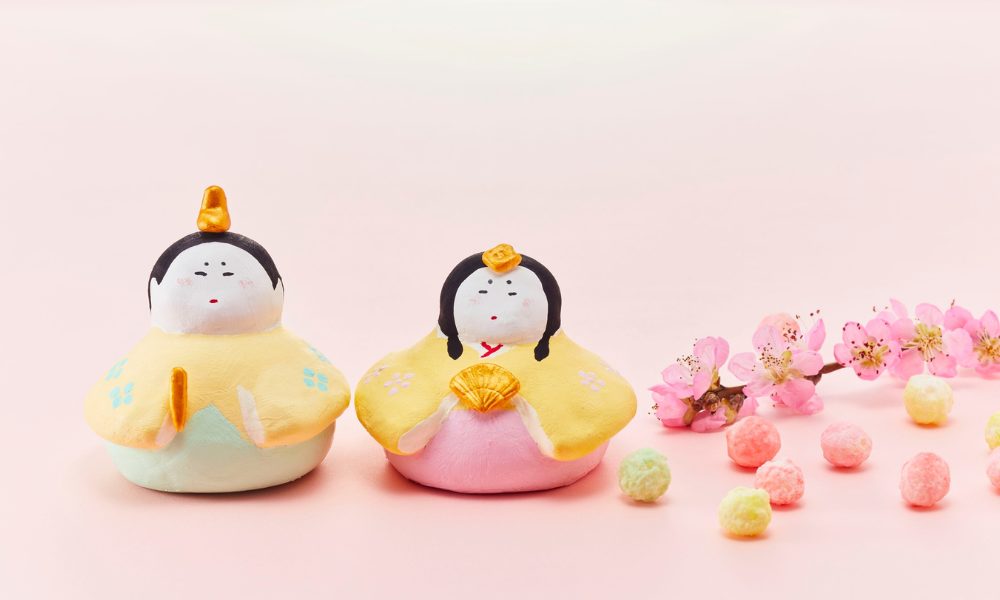
Japanese iconic “Kawaii” culture, or culture of cuteness, stormed social media and became inescapable in Japan. It is deeply ingrained into the everyday life of locals, as the packaging of products, toys, and clothes has a persuasive kawaii aesthetic.
However, the influence extends far from simple street fashion or posters. Over the years during which kawaii culture flooded Japan, corporations started to embrace it to become more pleasing and memorable for consumers. The reflection of Kawaii culture in the working environment highlights countries’ approach to work, marketing, and consumer behavior.
Kawaii Aesthetic in Company Branding
In corporate Japan, branding a company using kawaii elements in marketing has become a natural occurrence. For example, Peko-Chan (“Fujiya” company) is one of the most popular mascots in Japan. Peko-chan has been known throughout Japan as a company symbol for decades and is easily recognizable due to her innocent face and playful design. She is not only on the packaging of chocolate but also in advertisements and events, making her part of the country’s national identity. This use of the kawaii aesthetic, particularly in mascots, creates an emotional connection between the brand and consumers and humanizes companies.
Another example is Okaimono Panda from Rakuten, one of the largest e-commerce companies. This cute and friendly-looking Panda represents their services. Rakuten used this character in several marketing campaigns, creating a charming sense that resonated with customers. The use of cute and familiar characters like Peko-chan and Okaimono Panda assists in building trust with consumers.
The Impact of Kawaii Culture on Marketing Strategies and Consumer Behavior

Kawaii culture has proven to be a powerful tool in marketing and has strongly influenced how companies engage with their audience. The mascots or other cute images help companies appeal to clients on a deeper emotional level, as they evoke feelings of warmth, nostalgia, and comfort. Repetitive usage of mascots like Peko-chan and Okaimono Panda can support the appearance of a sense of familiarity and safety that, with time, turn into brand royalty. In the Japanese goods market, this emotional connection is a key quality that helps brands stand out in a highly competitive environment.
Furthermore, with the development of kawaii culture, traditional marketing methods also witnessed сhanges. Instead of simple hard sales or any other direct-selling tools, companies started leveraging cuteness and establishing long-term relationships with customers. By building an approachable image, they inspired consumers to not only buy more of their products but also participate in the brand’s narrative.
The Psychological Appeal of Kawaii Culture in the Workplace

The main reason the kawaii aesthetic appeals to a significant number of employees in a workplace is that it can easily evoke positive emotions and create a comfortable atmosphere. In the Japanese corporate world, integrating variable kawaii elements like mascots and cute uniforms makes the environment visually appealing and fosters a sense of belonging. Cute attributes create a soft vibe even in a strict corporate structure. The study suggests that seeing cute images can increase dopamine levels, making employees happier and more relaxed. This effect is why many Japanese companies include kawaii elements in the workplace.
The Lasting Impact of Kawaii Culture on Japanese Corporate Culture
Overall, Kawaii culture in the Japanese corporate world goes far beyond simple marketing. It acts as a strategic tool that enhances emotional engagement with consumers, reduces stress, and fosters a sense of belonging.
Related articles:
- What To Do in Harajuku: Fashion Paradise of Asia
- Purikura: Becoming Kawaii With a Magic Photo Booth
- How Japanese Culture Is Built on Empathy
Featured article image credit: canva