
Japan’s pilgrimage paths are a profound way to connect with the country’s spiritual traditions, natural beauty, and cultural heritage.
Pilgrimage Routes from North to South
These routes, some dating back centuries, were established to guide pilgrims to sacred sites, often located in remote, awe-inspiring settings. Walking these paths is both a physical and meditative experience, offering a unique glimpse into Japan’s spiritual and historical tapestry.
Dewa Sanzan (Yamagata Prefecture)
The Dewa Sanzan pilgrimage in Yamagata Prefecture takes travelers through three sacred mountains – Mount Haguro, Mount Gassan, and Mount Yudono – each symbolizing birth, death, and rebirth. Deeply rooted in Shugendo , an ancient practice blending Shinto and Buddhist traditions, the pilgrimage challenges participants both physically and spiritually. Pilgrims ascend steep forested trails, engaging in rituals that purify the body and soul.
The best time to visit Dewa Sanzan is from June to September, as the area is quite remote and the heavy snowfall in winter makes it particularly hard to reach.
Nakasendo and Kiso Valley (Nagano and Gifu Prefectures)
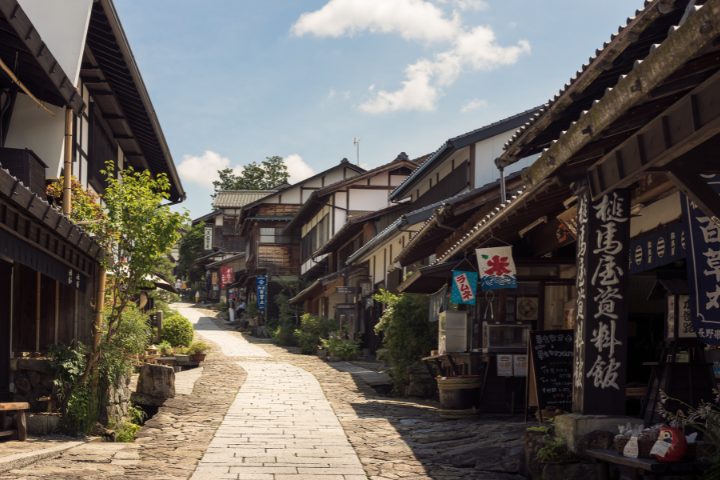
Image credits: Canva.com
The Nakasendo, or “Central Mountain Route,” was one of Japan’s main highways during the Edo period, connecting Edo (modern-day Tokyo) to Kyoto. Unlike the coastal Tokaido route, the Nakasendo passed through the mountainous interior, offering breathtaking landscapes of valleys, forests, and highlands. Spanning approximately 534 kilometers, the route was lined with 69 post towns that provided weary travelers with food, lodging, and rest.
Today, portions of the Nakasendo remain preserved, especially in the Kiso Valley, where the post towns of Magome and Tsumago offer visitors a step back in time.
This scenic 8-kilometer stretch retains its Edo-period charm, with traditional wooden buildings, cobblestone streets, and historic inns. Hiking the Nakasendo allows travelers to experience Japan’s natural beauty while immersing themselves in its rich cultural heritage. The route is best enjoyed in spring or autumn when the mild climate and vibrant foliage enhance the journey.
Easily accessible from Nagoya, the Nakasendo provides a slow and immersive way to connect with Japan’s storied past.
Kumano Kodo (Wakayama Prefecture)
Kumano Kodo, a UNESCO World Heritage Site since 2004, is an ancient pilgrimage network in Japan’s Kii Peninsula, linking the three sacred Kumano Sanzan shrines: Kumano Hongu Taisha, Kumano Nachi Taisha, and Kumano Hayatama Taisha. For over a thousand years, pilgrims have walked these forested trails seeking spiritual purification and enlightenment, embracing a path that intertwines nature with sacred tradition.
Kumano Kodo consists of multiple routes, each offering a distinct experience.
The Nakahechi route is the most popular, leading through serene mountain landscapes and remote villages. The Kohechi route, a more challenging path, crosses rugged peaks, while the Iseji route follows the coastline. Along the way, travelers encounter landmarks like the breathtaking Nachi Falls, historic hot springs such as Yunomine Onsen, and smaller Oji shrines that serve as spiritual checkpoints.
Modern pilgrims can enjoy temple lodgings, local cuisine, and an authentic connection to Japan’s ancient spiritual roots. Conveniently accessible from Osaka and Kyoto, the Kumano Kodo is best explored in spring or autumn when the weather is mild and the scenery is at its most vibrant.
Canva, page 29
Shikoku Henro (Shikoku Island)
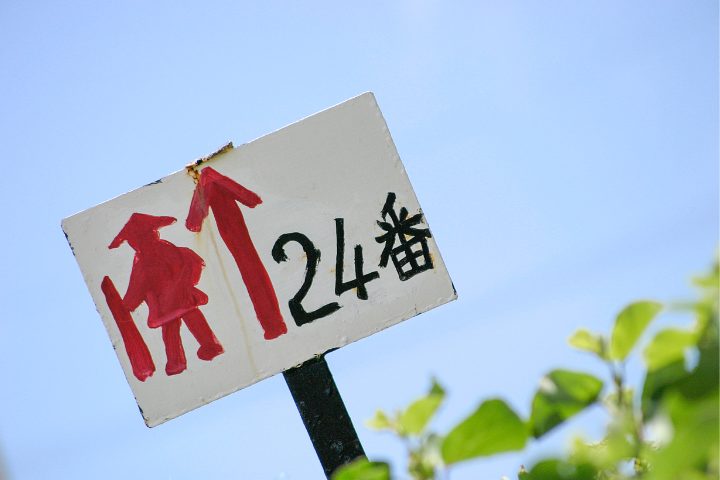
Image credits: Canva.com
Shikoku Henro, Japan’s most renowned pilgrimage, is an 88-temple circuit that encircles Shikoku Island, honoring Kūkai (Kōbō Daishi), the founder of Shingon Buddhism.
Spanning approximately 1,200 kilometers, this spiritual journey offers pilgrims – known as henro – a chance to seek enlightenment through physical endurance and deep contemplation.
Traditionally, pilgrims wear white garments and carry a staff, signifying their connection to Kūkai’s spirit as they travel between temples on foot, by bicycle, or via modern transportation.
The pilgrimage is divided into four sections, each corresponding to one of Shikoku’s prefectures and symbolizing different stages of spiritual growth. Tokushima Prefecture represents the “Awakening of Faith” (Temples 1–23), Kōchi Prefecture signifies “Ascetic Training” (Temples 24–39), Ehime Prefecture embodies “Enlightenment” (Temples 40–65), and Kagawa Prefecture culminates in “Nirvana” (Temples 66–88).
Completing the entire route traditionally takes 40 to 60 days, but many pilgrims choose to travel only selected sections. Along the way, temple lodgings and local inns provide places for rest, offering simple, nourishing vegetarian meals.
The Shikoku Henro remains a profound and transformative experience, blending Japan’s cultural heritage with personal spiritual discovery.
Modern Appeal of Pilgrimage Paths in Japan
Today, Japan’s pilgrimage paths attract not only religious pilgrims but also travelers seeking mindfulness, nature immersion, and cultural discovery. Many routes offer accommodation in traditional inns, where visitors can enjoy local cuisine and hot springs, adding comfort to their journey.
Whether for spiritual growth or cultural exploration, these routes invite a profound connection with the heart of Japan.
Related articles:
- The Spiritual Significance of Japan’s Waterfalls and Rivers
- A Guide to the 88 Temple Sacred Shikoku Pilgrimage Route
Featured image credits: Canva.com