
Japanese players like Ichiro Suzuki, Shohei Ohtani, and Hideki Matsui are year after year earning worldwide acclaim for their extraordinary talent and success while representing the Japanese baseball force in the international arena. Even though each player is remarkable in their individual accomplishments, the main secret behind Japanese baseball’s success is a unique blend of cultural discipline, strategic thinking, and a deep respect for the game.
Youth Development: A Foundation Built on Hard Work
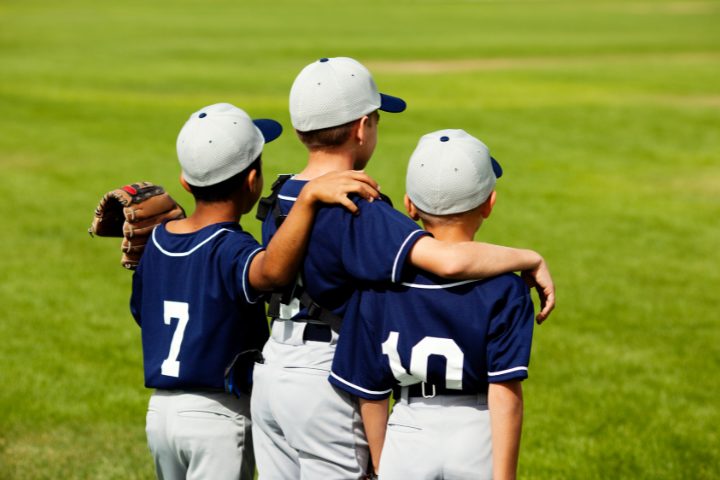
Photo credit: Canva
Japanese players start their careers at a relatively young age and expose themself to the high demand of baseball. Even youth baseball is highly structured, focusing on teamwork, discipline, and technique. The annual Koshien High School Baseball Championship always attracts many young athletes eager to demonstrate their skills in one of the most prestigious events in Japan. The high level of competition at this event helps identify the best talents, ensuring that the next generation of baseball players is well-prepared for professional careers.
Youth baseball players often spend most of their time perfecting the fundamentals of the game. Players learn pitching, batting, and other essential techniques under the proper control of their trainers. The result is a generation of baseball players who are prepared for the challenges of the professional leagues.
Work Ethic and Mental Toughness: Key for Japanese Baseball

Photo credit: Canva
One of the most important aspects for every Japanese baseball player is their undeniable work ethic. Japanese players are known for their determination to work daily, commitment, and intense focus. Mental strength is also a quality built from years of playing. It helps players stay calm even in high-end tournaments, like Koshien, or on the international stage in tournaments like the World Baseball Classic.
The Japanese sports community deeply engraved self-improvement, as members do not play to be good; they crave perfection. Players endure long hours of practice games, repetitive drills, and mental strength practices. This combo of physical and mental practices allows Japanese players to stay calm and show world-class play in competitions.
Physical Conditioning: Building Endurance and Flexibility
In addition to their mental preparations, Japanese players are known for their superior physical qualities. Unlike some other countries, where coaches try to enhance the basic strength of their players, Japanese players emphasize flexibility and endurance. This approach helps them to demonstrate their peak performance throughout the season and not feel tired.
Teamwork Over Individual Glory

Photo credit: Canva
Unlike other countries, Japanese teams always emphasize team over individual wins. This tactic differs from Western countries, where personal achievements are often a primary focus. Young players in Japan know that the team goes first, and each has their own role in achieving high results. A mindset like this forms unity among team members, allowing them to support each other on and off the field. In professional baseball, it means that players are willing to make sacrifices for the team; for example, they will be glad to take a less glamorous spot on the lineup if a team overall achieves success.
Superior Coaching and Mentorship
Another reason for the success of Japanese players is the strong influence of their coaches and mentors. In Japan, team coaches are not only instructors but also essential figures in their students’ personal lives who strongly influence their development. Coaches closely observe every training session and provide detailed feedback so students will be able to improve their skills.
Conclusion: A Winning Formula of Japanese Baseball
The success of Japanese baseball players is based on a combination of unique factors, like disciplined youth development, mental toughness, teamwork, and physical conditioning. These key elements assist in building the backbone of Japanese baseball, helping players succeed in both home and international competitions.
Related articles:
- Japanese Fitness Trends: From Radio Taiso to Hot Yoga
- Basics of Japanese Gym Etiquette
- Municipal or Private? Which Gym To Join in Japan
Featured image credit: Canva